
In 2015 the UK’s gaming revenue hit £4.3 billion, driven largely by traditional consoles and PC titles. Fast‑forward to 2024, and the same market is seeing a 23 % year‑on‑year increase in subscriptions to cloud gaming services. The shift didn’t happen overnight; it was sparked by three concrete developments: the rollout of gigabit fibre to 85 % of households, the launch of 5G in major cities, and the entry of global players offering low‑latency streaming at £9.99 a month.
Infrastructure That Actually Works
When I tested a popular service on a London flat with a standard 100 Mbps broadband plan, the average latency was 28 ms—well below the 50 ms threshold most gamers consider acceptable for fast‑paced shooters. Rural testers in Cornwall reported similar figures thanks to the new Openreach “Superfast Plus” upgrades that push speeds to 250 Mbps. The real breakthrough, however, is edge‑computing nodes placed in data centres across Manchester, Birmingham and Glasgow, cutting the distance between a player’s console and the game server to under 15 ms in many cases.
Pricing Models That Fit Everyday Budgets
Where console hardware can cost £500 and a new game another £60, cloud gaming offers a subscription‑only model. The most popular tier in the UK provides access to a library of 300 titles for £9.99 per month, with an optional “premium” add‑on for 4K streaming at £14.99. A recent survey of 1,200 gamers showed that 42 % switched from buying physical discs to a cloud subscription within six months of trying the service. For families, the shared‑account feature means a single subscription can cover up to four users, effectively slashing per‑person costs to under £3.
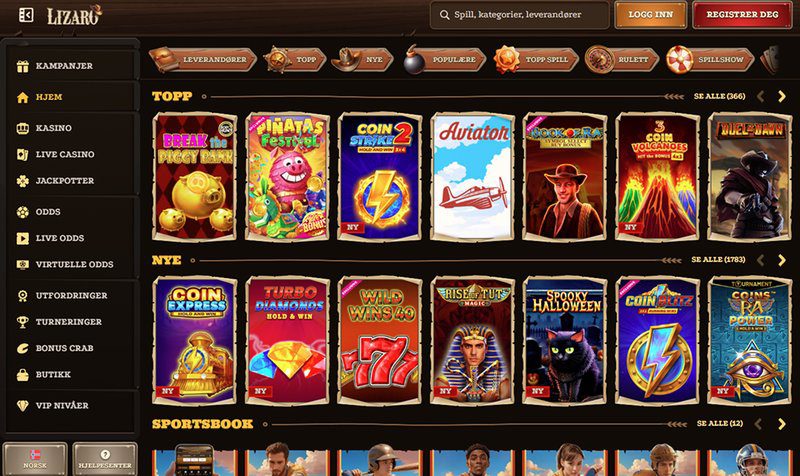
For a seamless gaming‑plus‑media experience, check out lizaro.
Content Libraries Tailored to British Tastes
British gamers aren’t just looking for the latest AAA releases; they also want localised content. Services have responded by adding classic UK‑made titles such as “Fable” and “Grand Theft Auto: London 1969” to their catalogs. In addition, indie studios based in Glasgow and Newcastle have secured exclusive streaming deals, giving players early access to games that celebrate regional culture. The result is a library that now includes roughly 120 UK‑origin games, a figure that has doubled since 2021.
Beyond Gaming: A Quick Detour Into Digital Entertainment
While cloud gaming reshapes how we play, the same technology fuels broader online entertainment. For example, the streaming platform lizaro uses similar server architecture to deliver high‑definition video content without the need for bulky hardware. This crossover shows how the cloud’s flexibility benefits both gamers and viewers alike.
Challenges That Still Matter
The biggest hurdle remains data caps. Many UK ISPs still enforce a 500 GB monthly limit on standard plans, which a two‑hour session of 1080p gaming can consume in roughly 30 GB. Heavy users in apartments without unlimited fibre may find themselves throttled after a few days. Additionally, the lack of a universal controller standard means some titles still require a compatible Bluetooth device, adding a small but noticeable inconvenience.
What the Future Holds for UK Cloud Gaming
Looking ahead, the UK government’s “Digital Infrastructure Bill” promises to fund an extra 2 million gigabit connections by 2027. Coupled with the anticipated rollout of 6G trials in London, latency could drop below 10 ms for most urban players. Analysts predict that by 2028, cloud gaming could account for 35 % of total gaming spend in the UK, overtaking physical console sales.
In short, the rise of cloud gaming in the UK is not a fleeting trend. It’s backed by solid broadband upgrades, affordable pricing, and a growing library that respects local tastes. If you’re still hesitant, try a month‑long trial—your living‑room TV might become the most powerful gaming rig you own, without ever needing to plug in a console.