
The Social Experience of Casinos
Casinos have evolved into vibrant social hubs where individuals gather not only to play but to engage in shared experiences. These establishments often host events, shows, and live entertainment that attract visitors from diverse backgrounds, creating a unique melting pot of cultures and personalities. The atmosphere within a casino is electric, filled with laughter, conversations, and the thrill of competition, making it a prime location for social interaction beyond mere gambling, especially when considering the instant casino withdrawal time that enhances the gaming experience for everyone involved.
Moreover, casinos often feature bars and restaurants, offering patrons a chance to unwind and socialize over food and drinks. Dining options can range from casual eateries to high-end restaurants, catering to every taste and preference. This enhances the overall experience, as guests can celebrate wins, commiserate over losses, or simply enjoy each other’s company while savoring a meal. The combination of gaming and socializing turns a simple outing into a memorable event.
Additionally, the essence of camaraderie is evident in games that require multiple participants, such as poker and blackjack. Players often form alliances, share strategies, and engage in friendly banter, fostering connections that can extend beyond the casino walls. In this way, casinos act as facilitators of social bonding, where the thrill of the game intertwines with the joy of human interaction.
The Economic Impact of Casinos
Casinos play a significant role in the economy, contributing to employment and generating substantial revenues that benefit local communities. The construction and operation of a casino create numerous job opportunities, ranging from dealers and hospitality staff to security personnel and management. This influx of jobs often leads to a boost in the local economy, as employees spend their earnings in nearby businesses, promoting economic growth.
Furthermore, casinos contribute to government revenues through taxation, which can be used to fund essential public services such as education, infrastructure, and healthcare. For instance, many jurisdictions allocate a percentage of casino profits to support local initiatives, benefiting the community at large. This financial support can lead to improvements in public services and enhanced quality of life for residents, showcasing how casinos operate as lucrative enterprises that give back to society.

In addition to job creation and tax revenue, casinos often invest in local development projects. This may include supporting local events, sponsoring community programs, or even contributing to the renovation of public spaces. Such investments foster better relationships between casinos and the communities they inhabit, helping to establish a positive perception of these establishments as responsible corporate citizens.
The Entertainment Factor
Beyond gambling, casinos offer a plethora of entertainment options that draw in visitors who may not be interested in gaming at all. These venues often host live performances, including concerts, comedians, and theatrical shows, attracting a diverse audience. The entertainment calendar is carefully curated to include various genres and styles, ensuring that there is something for everyone—making a trip to the casino an all-encompassing entertainment experience.
Moreover, the design and ambiance of casinos play a crucial role in enhancing the entertainment value. Many casinos are lavishly designed with stunning architecture, elaborate decor, and immersive themes that transport guests to different worlds. This attention to detail captivates visitors, encouraging them to explore every corner of the venue and engage with the entertainment options available. Such allure not only keeps guests entertained but also entices them to return.
The integral role of casinos in providing entertainment can also be seen in the integration of technology, such as virtual reality gaming and interactive displays. By embracing technological advancements, casinos continually evolve their offerings to meet the demands of modern consumers. This commitment to innovation ensures that visitors have fresh and exciting experiences, further solidifying casinos as premier entertainment destinations.
The Psychological Thrill of Gaming
The psychological elements of gambling offer insights into why people are drawn to casinos beyond the pursuit of financial gain. The anticipation and excitement of gaming can trigger the release of dopamine, a neurotransmitter associated with pleasure. This biological response is what makes the gaming experience so compelling, as players find themselves caught in a cycle of hope and thrill. The immersive nature of gaming stimulates the senses, offering not just the chance to win money but an exhilarating escape from everyday life.
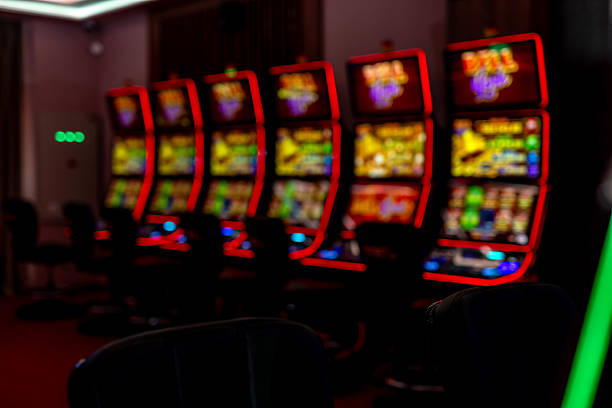
Moreover, the concept of risk and reward plays a significant role in the allure of gambling. Players often feel a sense of control over their choices, believing that strategy can lead to success. This excitement is amplified by the social dynamics of the casino environment, where the shared experiences of wins and losses create collective emotions that enhance the overall thrill. This psychological interplay is an essential aspect of what makes casinos more than mere venues for gambling.
Additionally, the challenge of gaming encourages personal growth and resilience. Players learn valuable lessons about risk management, decision-making, and emotional regulation, as they navigate the ups and downs of their gaming experiences. This self-discovery can lead to a deeper understanding of oneself and an appreciation for life’s unpredictability, adding layers to the casino experience that extend far beyond the concept of chance.
Understanding the Online Casino Experience
In today’s digital age, online casinos have emerged as a prominent alternative to traditional gaming establishments, offering a different yet equally engaging experience. While they may lack the physicality and social atmosphere of brick-and-mortar casinos, online platforms provide convenience, accessibility, and a wide array of gaming options. Players can enjoy their favorite games from the comfort of their homes, making it easier for individuals with varying schedules to partake in gaming.
Furthermore, online casinos often incorporate interactive features that enhance user engagement. Live dealer games, for instance, allow players to participate in real-time gaming with professional dealers, bridging the gap between digital and physical experiences. These innovations enable players to enjoy the thrill of the casino while also benefiting from the flexibility that online platforms provide.
Despite the differences, the psychological elements of gambling remain constant in the online space. Players still experience excitement, anticipation, and the psychological highs and lows associated with winning and losing. This demonstrates that whether in person or online, casinos fulfill the same psychological and social needs, making them multifaceted entertainment outlets.