
The Nature of Chance in Gambling
Gambling inherently involves chance, which refers to the randomness and unpredictability of outcomes. From the roll of dice to the spin of a roulette wheel, chance is a fundamental element that shapes the gaming experience. In many cases, players who engage with casino rocket australia can find themselves navigating this randomness, which can lead to significant financial gains or losses. Understanding the role of chance is crucial for both newcomers and seasoned gamblers, as it highlights the risks involved in any gambling activity.
Chance serves as the equalizer in many gambling scenarios, making it possible for anyone to win, regardless of their experience or skill level. For instance, a novice player can win a hand of poker against a professional simply due to the cards they are dealt. This aspect not only adds excitement to the game but also emphasizes the unpredictability that attracts many individuals to gambling. The thrill of taking a risk and possibly winning big, despite the odds, is a central aspect of gambling culture.
However, the role of chance is often misunderstood, leading players to believe they can consistently overcome it with skill alone. While some games heavily rely on luck, such as slot machines, others do allow for skill-based strategies to play a role in influencing outcomes. This dynamic between skill and chance creates a complex environment where players must navigate both elements to maximize their potential for success.
The Role of Skill in Strategic Games
In contrast to purely luck-based games, strategic gambling games such as poker, blackjack, and sports betting provide opportunities for players to apply skill. Successful players often spend significant time mastering strategies, understanding probabilities, and honing their decision-making abilities. For instance, in poker, players must read their opponents, manage their bankroll, and make calculated risks based on the cards in play. This requires a level of skill and psychological insight that can indeed tilt the odds in their favor over time.
In blackjack, the concept of card counting exemplifies how skill can influence a game that is fundamentally based on chance. A skilled player can track the ratio of high to low cards remaining in the deck, adjusting their betting and playing decisions accordingly. While this strategy does not eliminate the house edge entirely, it can significantly enhance a player’s chances of winning. In this sense, skill can provide a competitive advantage that allows experienced players to outperform novices over the long run.

Moreover, skill can also be a game-changer in sports betting, where understanding team dynamics, player statistics, and even weather conditions can lead to more informed wagering decisions. Knowledge and analytical skills can empower bettors to make calculated risks based on data rather than sheer luck. This ability to leverage skill in a game of chance shows that, while luck is always present, strategic thinking and informed decision-making can lead to more favorable outcomes.
Luck versus Skill: A Balancing Act
The relationship between luck and skill is often viewed as a balancing act within the gambling world. While chance can lead to unexpected wins, skilled players tend to achieve better results over time. This creates a scenario where short-term outcomes may favor luck, but in the long run, skill often prevails. It’s important for players to recognize this dynamic and approach gambling with a balanced mindset, embracing both the thrill of chance and the discipline of skill.
This balance also manifests in the way gambling establishments design their games. Many casinos implement rules and odds that favor the house, knowing that luck will often sway the results in their favor. However, players who invest time and energy into mastering their chosen games often find themselves able to overcome the house edge more effectively. This ongoing struggle between luck and skill creates a rich tapestry in the gambling world, where both elements play crucial roles in the gaming experience.
Ultimately, the excitement of gambling lies in the interplay between chance and skill. Players are drawn to the unpredictability of outcomes while also seeking ways to enhance their performance through knowledge and strategy. This ongoing tension between the two factors ensures that gambling remains a captivating pursuit for millions around the globe, as individuals strive to find their optimal approach that melds both luck and skill.
The Psychological Aspects of Gambling
The psychological aspects of gambling add another layer to the debate of skill versus chance. Many players develop cognitive biases that can cloud their judgment, often overestimating their ability to control outcomes. This can lead to phenomena like the «gambler’s fallacy,» where individuals believe they can predict future events based on past results. Understanding these psychological tendencies is crucial for anyone looking to navigate the gambling landscape effectively.
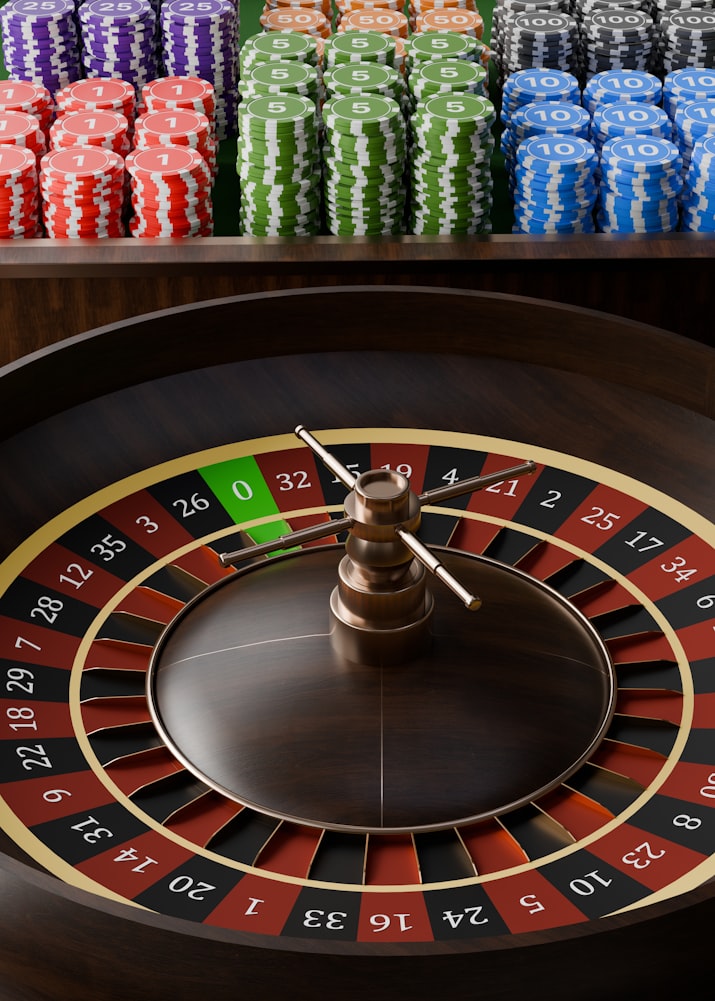
Players may also experience emotional highs and lows in response to their gambling outcomes, which can affect their decision-making. A winning streak might bolster confidence, potentially leading a player to take on higher stakes than they normally would. On the other hand, a losing streak can lead to frustration and irrational decisions as players chase losses. Recognizing the emotional rollercoaster that comes with gambling is essential for maintaining a rational approach, reminding players that both skill and chance are intertwined with their psychological responses.
Additionally, awareness of one’s limits and setting boundaries can enhance a player’s overall gambling experience. Those who understand their risk tolerance and practice self-control can make better decisions regardless of whether they are relying on luck or skill. This self-awareness can mitigate the impact of negative psychological factors, allowing players to engage with gambling as a form of entertainment rather than a source of stress or anxiety.
Conclusion: Finding Your Path in Gambling
In conclusion, the debate over whether skill can outweigh chance in gambling is multifaceted. While luck plays an undeniable role in most gambling activities, skill can significantly influence outcomes, particularly in strategic games. Players who invest time in mastering their craft can enhance their chances of success, exploiting the inherent randomness of chance in their favor.
Ultimately, the combination of skill and chance creates a unique dynamic that defines the gambling experience. Successful gamblers understand the need to balance both elements while cultivating their strategies and managing their emotions. By approaching gambling with a well-rounded mindset, players can not only enjoy the thrill but also increase their potential for long-term success.
For anyone looking to explore this fascinating world of chance and skill, gaining knowledge and understanding through reliable resources is essential. Whether you are a novice or an experienced player, staying informed about the psychological aspects, strategies, and the nature of the games can lead to a more rewarding gambling experience. Engage responsibly and always remember that while luck may play a part, your skill and decision-making can pave the way for a more fulfilling journey in gambling.