
Cultural influences on gambling attitudes across different societies
The Role of Tradition in Gambling Perception
Tradition plays a vital role in shaping gambling attitudes across various cultures. In many societies, gambling is deeply rooted in historical practices and rituals, often viewed as a way to honor ancestors or mark important life events. For instance, in some indigenous cultures, games of chance are integrated into celebrations and community gatherings, reinforcing a communal bond. This traditional approach often imbues gambling with a sense of cultural significance, making it more than just a pastime. Players can even explore promotions like the MafiaCasino no deposit bonus to enhance their gaming experience.
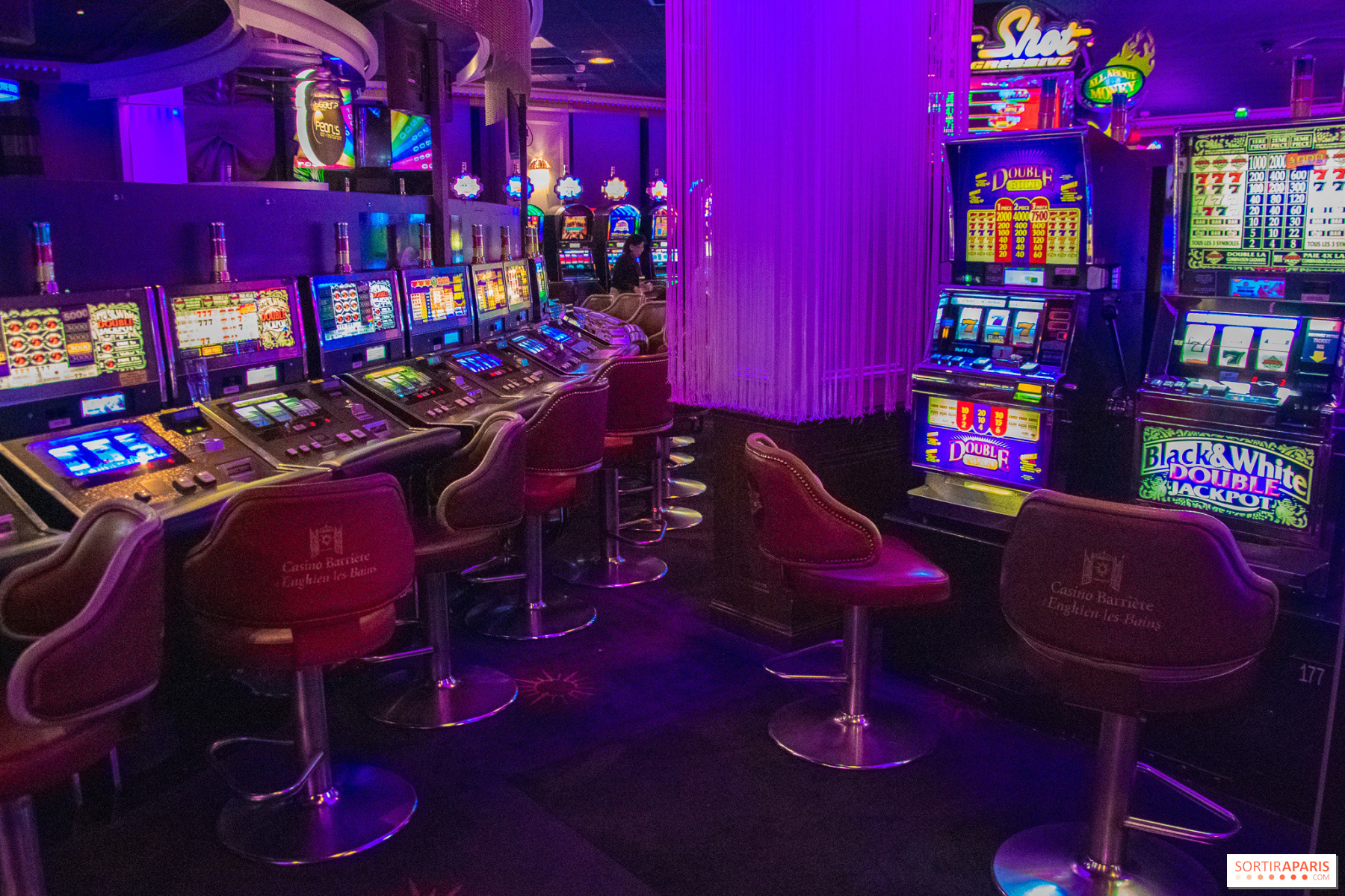
On the other hand, in cultures where gambling is associated with negative connotations, such as addiction or moral decline, traditional views can foster stigma. For example, in certain conservative societies, gambling may be seen as a vice that disrupts family values and social harmony. This dichotomy illustrates how cultural narratives can shape perceptions, leading to either acceptance or condemnation of gambling practices.
Moreover, the influence of religion cannot be overlooked. In many societies, religious teachings dictate the moral framework surrounding gambling. For instance, Islamic cultures typically regard gambling as haram, or forbidden, which profoundly affects community attitudes. Contrastingly, in cultures where gambling is intertwined with religious festivals, it can be celebrated as a joyful expression of faith. Thus, tradition and religion collaboratively mold the societal narrative surrounding gambling.
Modern Influences and Technological Advancements
The advent of technology has transformed gambling, altering societal attitudes and accessibility. Online gaming platforms and mobile applications have made gambling more accessible than ever before, transcending geographical limitations. This shift has led to an increased normalization of gambling, particularly among younger generations who view it as an entertaining pastime. As online casinos proliferate, they often market their services in culturally relevant ways, appealing to local sentiments and preferences.
However, this technological boom brings a dual-edged sword. While it democratizes access, it also raises concerns about gambling addiction and its associated risks. Various societies have begun to grapple with the implications of online gambling, leading to debates about regulation and responsible gaming. In places where gambling was traditionally frowned upon, the rapid rise of online platforms has led to reevaluation and, in some cases, acceptance, demonstrating how technology can challenge existing cultural paradigms.
Furthermore, social media plays a crucial role in shaping contemporary attitudes towards gambling. Influencers and online communities often promote gambling as an exciting and glamorous activity, leading to a shift in perception among followers. This type of marketing can create a culture where gambling is viewed as a harmless way to socialize and have fun. However, it can also glamorize risky behavior, prompting critical conversations about the responsibilities of both the gambling industry and consumers.
Social Acceptance and Stigmatization
The social acceptance of gambling varies significantly between societies, largely shaped by cultural values and norms. In some places, gambling is widely accepted as part of social life, often involving community events and gatherings where games are played. For instance, Las Vegas and Macau are celebrated as entertainment capitals where gambling is integral to the local economy and culture. Here, it is not just an individual activity but a communal experience, fostering a sense of belonging.
Conversely, in regions where gambling is stigmatized, individuals may experience social repercussions. For example, in many Middle Eastern countries, the taboo surrounding gambling can lead to feelings of shame or isolation for those who partake in it. This social stigma can prevent open discussions about gambling, fostering an environment where issues like addiction go unaddressed, ultimately affecting the well-being of individuals and families.
Additionally, the media plays a pivotal role in shaping these attitudes. Negative portrayals of gambling in films, news, and television can reinforce stigmas and create fear. In contrast, positive representations can encourage acceptance. Thus, the media’s influence can either hinder or promote a more nuanced understanding of gambling and its implications in society.
Cultural Myths and Misconceptions
Cultural myths and misconceptions about gambling significantly influence societal attitudes. Many cultures hold beliefs that can skew perceptions, such as the idea that certain individuals possess «lucky» traits or that specific rituals can increase winning chances. These myths are often perpetuated by anecdotal experiences and can lead to irrational beliefs about gambling. For example, the notion of lucky charms can create a false sense of control, leading individuals to engage in riskier behavior.
Furthermore, misconceptions about the gambling demographic can shape societal views. There is often a stereotype that gamblers are solely individuals with addiction issues, ignoring the fact that many people gamble recreationally and responsibly. This narrow viewpoint can result in oversimplified narratives that overlook the diversity of motivations behind gambling behavior. By debunking these myths, societies can foster a more balanced perspective that acknowledges both the risks and benefits associated with gambling.
Educational initiatives aimed at dispelling myths can also play a crucial role in shaping gambling attitudes. Informing individuals about the odds, risks, and responsible gaming can lead to healthier engagement with gambling. Such initiatives can help demystify gambling, allowing for a more informed approach that respects cultural perspectives while promoting responsible behavior.

Mafia Casino: A Modern Approach to Gambling
Mafia Casino represents a contemporary interpretation of gambling, combining cutting-edge technology with an extensive game library. Launched in 2025, the platform caters to a diverse audience by offering over 3,000 games, including exciting slots and live dealer options. The user-friendly interface allows players from various cultural backgrounds to engage with the platform seamlessly, showcasing the potential for gambling to transcend cultural barriers.
Additionally, Mafia Casino prioritizes security and responsible gaming, providing a safe environment for users to enjoy their gaming experience. The website’s commitment to customer support and fast payouts further enhances its appeal, making it a reliable choice for players worldwide. By understanding cultural influences, Mafia Casino can tailor its offerings and promotions to resonate with different audiences, reflecting the evolving landscape of gambling.
Ultimately, Mafia Casino embodies the fusion of tradition and modernity in the gambling world. It highlights how cultural attitudes towards gambling are continually changing, influenced by societal norms, technology, and education. By navigating these complexities, the platform offers a thrilling and engaging environment that respects diverse cultural perspectives, illustrating the global nature of modern gambling.